Can You Water Indoor Plants With Rain Water?

Can You Water Indoor Plants With Rain Water? Benefits, Risks & Tips
Indoor gardening has transformed from a simple hobby into a lifestyle for millions. As we become more attuned to the needs of our leafy companions, we naturally begin to question the fundamental elements of their care—starting with the water we provide. For most, the kitchen tap is the default source. However, as the movement toward sustainable living and organic plant care grows, many indoor gardeners are looking toward the sky.
The question of whether you can water indoor plants with rainwater is one that bridges the gap between traditional gardening and modern environmental consciousness. Rain is, after all, the source of life for plants in the wild. But is the water falling on a city roof the same as the misty rain of a tropical rainforest?
The short answer is yes, rainwater is often the superior choice for houseplants. It is a natural, soft water source that lacks the harsh additives found in municipal supplies. However, the transition from tap to rain is not as simple as putting a bucket outside. To truly benefit your indoor jungle, you must understand the chemistry of rainwater, the logistics of safe collection, and the specific needs of your plant collection. This comprehensive guide explores everything you need to know about utilizing nature’s hydration for your indoor plants.
What Is Rainwater?
To understand why rainwater affects plants differently than tap water, we must look at the natural water cycle. Rainwater begins as evaporated water vapor that condenses around microscopic particles in the atmosphere. Because evaporation is a natural distillation process, rainwater starts its journey as a remarkably pure substance.
As it falls through the atmosphere, rainwater dissolves gases like carbon dioxide and oxygen. This process gives rainwater a unique chemical profile compared to groundwater or treated municipal water. In a sense, rainwater is “pre-conditioned” by the atmosphere to serve as a biological stimulant.
Natural Water Cycle Basics
In the natural world, water cycles from the earth to the sky and back again. When water evaporates from oceans and lakes, it leaves behind the heavy minerals and salts that characterize “hard” water. When this vapor cools and becomes liquid again as rain, it is essentially distilled. This purity is what makes it so distinct from the water that has sat in underground aquifers for centuries, absorbing limestone and calcium along the way.
How Rainwater Differs From Tap Water
Tap water is engineered for human safety, not necessarily for botanical optimal health. To make water drinkable, municipalities add disinfectants to kill pathogens and minerals to protect pipes from corrosion. Rainwater, by contrast, is completely untreated. It lacks the “chemical fingerprint” of human infrastructure, making it a “cleaner” slate for the soil.
Key Characteristics
-
Low Mineral Content (Soft Water): Rainwater contains almost no dissolved minerals like calcium or magnesium. This prevents the “stoning” of soil where minerals bond together to form hard, impermeable layers.
-
Slightly Acidic pH: Pure water has a neutral pH of 7.0. However, as rain falls, it reacts with atmospheric carbon dioxide to form a very weak carbonic acid. This typically brings the pH of rainwater down to between 5.0 and 6.5. Most houseplants, particularly those originating from tropical forest floors, thrive in slightly acidic conditions.
-
Free of Chlorine and Fluoride: These are the two biggest culprits of plant distress in municipal water. Rainwater is naturally free of these additives, which can be toxic to sensitive species.
Benefits of Using Rainwater for Indoor Plants
Switching to rainwater can lead to a noticeable transformation in the health and appearance of your houseplants. Here is why this natural resource is so highly valued by horticultural experts.
Free of Chemicals
Municipal water systems use chlorine or chloramine to kill bacteria. While the levels are safe for humans, some plants are highly sensitive to these elements. Over time, chlorine can damage the delicate “feeder roots” of a plant, leading to stunted growth. Furthermore, fluoride, which is added to many water supplies, does not evaporate and can accumulate in plant tissues, causing “tip burn”—the browning of leaf ends often seen in Spider Plants and Dracaenas. Rainwater eliminates these risks entirely, allowing the plant to breathe and grow without chemical interference.
Ideal for Nutrient Absorption
The slightly acidic nature of rainwater is not just a chemical quirk; it serves a functional purpose. Many of the nutrients found in potting soil, such as nitrogen, phosphorus, and potassium, are most “available” to plants when the soil pH is slightly acidic. Using rainwater helps maintain this ideal environment in the pot, ensuring that the fertilizer you provide is actually being absorbed rather than sitting locked in the soil due to alkaline tap water.
Supports Soil Health
If you have ever noticed a white, crusty film on the surface of your potting soil or the rim of your terracotta pots, you have seen salt and mineral buildup. This is a common byproduct of using hard tap water. These salts can eventually dehydrate roots through a process similar to osmosis, pulling moisture out of the roots rather than letting it in. Rainwater acts as a “flush,” helping to wash away these accumulated salts and keeping the soil structure healthy, porous, and biologically active over the long term.
Eco-Friendly & Cost-Effective
Using rainwater is a hallmark of sustainable gardening. It reduces the demand on treated municipal water supplies and utilizes a resource that would otherwise simply become storm runoff, often carrying pollutants into local waterways. For those with large indoor collections, the cost savings on water bills, though perhaps small per gallon, add up over a lifetime of gardening. It is a way to align your love for nature with the way you care for it, creating a closed-loop system in your own home.
Are There Any Risks?
While rainwater is generally excellent, it is not a “magic bullet” without its own set of challenges. Understanding the risks allows you to mitigate them effectively.
Air Pollution Contamination
Rain is a highly effective solvent. As it falls, it can “scrub” the air of pollutants, including sulfur dioxide, nitrogen oxides, and heavy metal particles from industrial activity or heavy traffic. In highly industrialized urban areas, the first few minutes of a rainstorm can bring down a concentrated “soup” of these pollutants. While usually still safer than the most heavily treated tap water, it is a factor to consider for urban gardeners living near factories or major highways.
Roof Runoff Issues
Most people collect rainwater from their roofs via gutters. This introduces a variety of contaminants. Roofs can host bird droppings (which contain bacteria like E. coli or Salmonella), decaying leaf litter, and moss. Furthermore, the roofing material itself—such as asphalt shingles with petroleum-based granules, treated wood, or lead flashing—can leach chemicals or metals into the water as it flows over the surface.
Storage Problems
The biggest risk often occurs after the rain has fallen. If rainwater is stored in open containers or for too long in warm conditions, it becomes a breeding ground for problems. Stagnant water can host mosquito larvae, harmful bacteria, and algae. If you pour “spoiled” water into your plants, you risk introducing pathogens that can cause root rot or fungal diseases, which are much harder to treat than a simple mineral deficiency.
pH Imbalance
In some regions, particularly those downwind of coal-fired power plants or heavy industry, “acid rain” can be a reality. If the pH drops significantly below 5.0, it can become too acidic even for acid-loving plants, potentially damaging the roots or causing certain nutrients to become toxic by making them too soluble for the plant to regulate.
How to Collect Rainwater Safely
To reap the benefits while avoiding the risks, your collection method should be intentional. You are essentially acting as a miniature water treatment plant for your green companions.
Direct Collection vs. Roof Collection
The cleanest way to collect rainwater is direct collection. This involves placing wide-mouthed containers, like buckets or bins, in an open area during a rainstorm. Because the water does not touch a roof or gutter, it remains very pure. However, this method is inefficient for collecting large volumes unless you have a very large yard and many buckets.
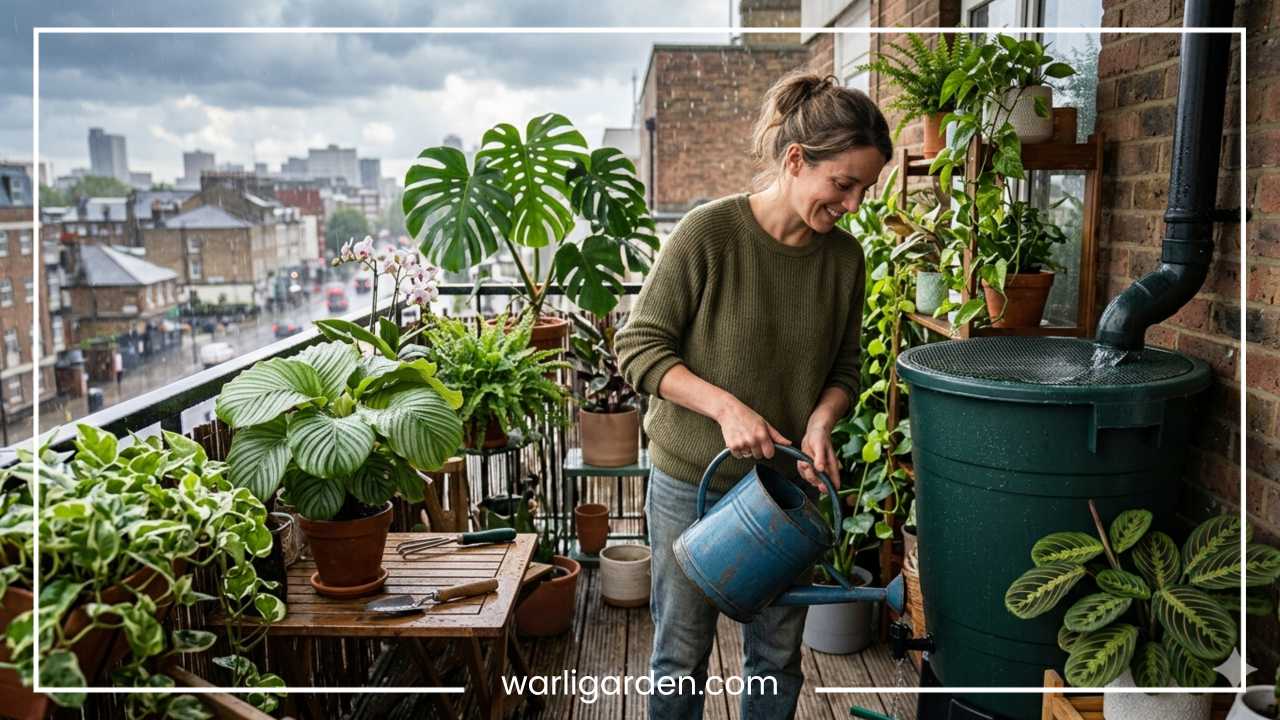
Roof collection is more practical for most. To do this safely, ensure your gutters are cleaned regularly to prevent the buildup of decaying organic matter. If possible, use a rain barrel connected to a downspout with a diverter.
Best Containers
-
Food-Grade Barrels: These are designed not to leach chemicals into the water. Look for the “HDPE 2” symbol on the bottom.
-
Buckets with Lids: If you are using smaller buckets, ensuring they have lids will prevent debris from falling in after the storm has passed.
The First-Flush System
One of the most important concepts in rainwater harvesting is the “first-flush.” The first few gallons of water that come off a roof during a storm carry the highest concentration of dust, bird droppings, and debris. Modern rain barrel systems often include a first-flush diverter, which automatically sends the initial runoff away and only begins filling the barrel once the roof has been “washed” clean by the rain. If you are collecting manually, simply wait 10 to 15 minutes after the rain starts before you begin catching the water.
Filtering Basics
Always pass your rainwater through a fine mesh, a piece of cloth, or specialized gutter filters before storing it. This removes larger debris like seeds, leaves, and insects. While this doesn’t “purify” the water on a microscopic level, it prevents the organic matter from breaking down in your storage container and causing the water to rot.
How to Store Rainwater for Indoor Use
Proper storage is what separates a successful rainwater system from a pest-filled mess. Since indoor plants are in a stagnant environment, the quality of stored water is even more critical than for outdoor gardens.
-
Keep Containers Covered: A tight-fitting lid is non-negotiable. It keeps out debris, prevents light from entering, and stops mosquitoes from laying eggs. If your barrel has an open top, cover it with a very fine insect screen.
-
Store in a Cool, Shaded Place: Heat accelerates the growth of bacteria and algae. Keeping your water in the shade—perhaps on the north side of your home or in a garage—helps maintain its freshness.
-
Use Within a Certain Time: For indoor plants, it is best to use your collected rainwater within 1 to 2 weeks. While water can be kept longer for outdoor use, indoor plants are in a more controlled environment where stagnant water odors or pathogens can become more apparent.
-
Signs Water Has Gone Bad: Use your senses. If the water smells like rotten eggs (sulfur), looks excessively cloudy, or has a slimy film on the surface, it is best to discard it or use it on hardy outdoor shrubs rather than your delicate indoor plants.
Which Indoor Plants Benefit Most?
While almost all plants appreciate rainwater, for some, it is nearly a requirement for long-term survival. These species often originate from environments where the water is naturally very pure or acidic.
Tropical Plants
Plants like Monstera, Ferns, and Calatheas are the primary beneficiaries. Calatheas, in particular, are notorious “drama queens.” They often react to tap water by developing crispy, brown edges on their beautiful leaves. This is usually a reaction to the salts and fluoride in municipal water. Switching to rainwater is often the only way to keep these plants looking pristine.
Carnivorous Plants
Venus Flytraps, Sundews, and Pitcher Plants are the most sensitive of all. They evolved in nutrient-poor bogs where they adapted to incredibly pure water. The minerals in tap water are actually toxic to them; the calcium and magnesium “burn” their specialized roots. Using anything other than rainwater or distilled water will often kill them within months.
Orchids and Epiphytes
In nature, many orchids grow on tree branches, getting their moisture directly from the clouds and humidity. Their roots are designed to absorb water quickly and are sensitive to salt accumulation. Rainwater mimics their natural habitat perfectly, promoting better blooms and healthier root systems.
When You Should NOT Use Rainwater
There are specific scenarios where rainwater might do more harm than good. Awareness of these “red flags” can save your plant collection.
-
Highly Polluted Regions: If you live directly downwind of a major industrial center or in a city with heavy smog, the “rain scrubbing” effect might make the water too toxic for sensitive plants.
-
After Long Dry Spells: After a long dry spell, the atmosphere and your roof have accumulated a massive amount of dust and pollutants. The first rain after a drought is often the “dirtiest” and should generally be avoided.
-
Smelly or Contaminated Water: If the water has any oily sheen, a chemical smell, or a strong organic odor, do not use it.
-
Unsafe Collection Surfaces: If your roof is made of lead, has been recently treated with moss-killers, or is made of old asbestos shingles, do not collect water from it for any plant use.
Rainwater vs. Tap Water: A Comparison
To help you decide which is best for your specific situation, here is a breakdown of how these two sources compare:
| Feature | Rainwater | Tap Water |
| Mineral Content | Very Low (Soft) | Low to High (Varies by region) |
| pH Level | Slightly Acidic (5.0–6.5) | Usually Alkaline (7.0–8.5) |
| Chemical Additives | None (Usually) | Chlorine, Fluoride, Chloramine |
| Cost | Free (after setup) | Monthly utility cost |
| Accessibility | Weather dependent | Available on demand |
| Risk | Biological contaminants | Chemical/Mineral buildup |
While tap water is convenient and generally safe for hardy plants like Pothos or Snake Plants, rainwater offers a specialized “boutique” experience that can take your plant care to the next level.
Tips for Using Rainwater on Indoor Plants
If you are ready to make the switch, keep these practical tips in mind to ensure a smooth transition for your plants.
-
Mix With Tap Water if Needed: You don’t have to go 100% rainwater. Many gardeners use a 50/50 mix. This dilutes the minerals in the tap water while stretching your rainwater supply during dry periods.
-
Test pH Occasionally: If you are serious about your collection, a simple pH testing kit can help you ensure your rainwater isn’t too acidic for your specific plants.
-
Rotate Water Sources: Use rainwater for your most sensitive plants and save the tap water for your hardier ones. This helps you manage your supply efficiently.
-
Temperature Matters: Never water your indoor plants with ice-cold rainwater straight from the barrel. Tropical plants can go into “temperature shock,” leading to leaf drop. Bring the water inside and let it reach room temperature before use.
-
Don’t Overwater: Just because rainwater is “better” doesn’t mean the plant needs more of it. Stick to your regular watering schedule based on the soil’s moisture level.
Frequently Asked Questions
Can rainwater cause pests indoors?
If you use a proper screen on your collection barrel to keep out mosquitoes and flies, the risk is minimal. Rainwater itself does not “contain” pests like spider mites or gnats, though stagnant water can attract them. Always inspect your water before bringing it inside.
Is boiled rainwater better?
Boiling rainwater will kill bacteria and pathogens, but it will not remove chemical pollutants or heavy metals. In fact, boiling can slightly concentrate minerals as water evaporates. For most indoor plants, boiling is unnecessary unless the water is known to be biologically contaminated.
Can you drink rainwater?
Generally, no. Rainwater collected from roofs is not considered potable for humans without significant filtration and treatment due to the risk of bacteria and chemical leaching. Keep it for the plants!
How long can you store it?
For the best results with indoor plants, aim to use your supply within two weeks. If it sits longer, check for clarity and smell before use.
Final Thoughts
Watering indoor plants with rainwater is more than just a trend; it is a return to a more natural way of nurturing life. By providing water that is free of harsh chemicals, naturally acidic, and low in mineral salts, you are giving your plants the best possible foundation for health.
While it requires a bit more effort than turning on a faucet—involving mindful collection, careful storage, and an awareness of your local environment—the rewards are visible in every new leaf and bloom. Whether you are caring for a sensitive orchid or just want to be more sustainable in your daily habits, rainwater is a gift from the environment that your indoor jungle will surely thank you for.
The secret to a thriving indoor garden often lies in recreating the plant’s natural habitat as closely as possible. By switching to rainwater, you are providing the most basic element of life in its purest, most accessible form. Start small, perhaps by collecting a single bucket during the next storm, and observe how your plants react. You might find that the simplest solution was falling from the sky all along.
Frequently Asked Questions About Rainwater for Plants
To help you master the art of using natural water for your home jungle, here are answers to some of the most common high-intent questions regarding rainwater and indoor plant care.
Is Rainwater Good for All Houseplants?
While nearly all indoor plants appreciate the lack of chemicals in rainwater, it is particularly beneficial for species that are sensitive to mineral salts and fluoride. Plants such as Calathea, Anthurium, and various types of Ferns often show immediate improvements in foliage color. However, some succulents and cacti that are adapted to alkaline desert soils are perfectly fine with tap water. That said, even these hardy plants can benefit from the occasional “flush” with rainwater to prevent salt crusting on the soil surface.
Can You Water Indoor Plants With Rainwater from a Metal Roof?
This is a nuanced issue. While modern metal roofs (like those made of coated steel or aluminum) are generally safe for collecting water for plants, older roofs may have lead flashing or solders. If your metal roof is galvanized, there is a risk of high zinc concentrations in the water. For most common houseplants, a small amount of zinc isn’t an issue, but for extremely sensitive or edible indoor herbs, it is best to test the water first or stick to direct collection.
How to Treat Rainwater for Indoor Plants if it Smells?
If your rainwater has developed a “swampy” or rotten egg smell, it has likely gone anaerobic. This means bacteria are breaking down organic matter (like leaves or bird droppings) in the absence of oxygen. Do not use smelly water on indoor plants, as it can introduce pathogens to the potting mix. To treat it, you can aerate the water using a small pond pump or simply discard it and clean your collection barrel with a diluted vinegar solution before the next storm.
Does Rainwater Have Nitrogen for Plants?
Yes, rainwater contains small amounts of nitrate and ammonium—forms of nitrogen that plants can absorb immediately. During a thunderstorm, lightning actually breaks apart nitrogen molecules in the atmosphere, allowing them to dissolve into raindrops. This is why plants often look exceptionally green and vibrant after being watered with fresh rainwater; they are receiving a natural, diluted dose of “sky fertilizer.”
Is Rainwater Better than Distilled Water for Houseplants?
Both are excellent because they are soft and chemical-free. However, rainwater is often considered superior because it contains dissolved oxygen and trace amounts of organic matter and minerals that distilled water lacks. Distilled water is essentially “dead” water, whereas rainwater is “living” water that more closely mimics a plant’s evolutionary environment.
Can Rainwater Cause Root Rot in Indoor Plants?
Rainwater itself does not cause root rot, but poor storage can. If the water is contaminated with harmful fungi or bacteria due to sitting in an open, warm container, it could potentially trigger rot in a plant that is already overwatered. To prevent this, always ensure your indoor pots have excellent drainage and that your stored rainwater is clear and odorless.
How to Filter Rainwater for Houseplants Naturally?
You don’t need expensive equipment to filter rainwater for domestic plant use. A simple “bio-filter” can be made by passing the water through a layer of fine sand and activated charcoal. For most enthusiasts, however, a “mechanical” filter is enough. Placing a high-density mesh screen over your rain barrel or pouring the water through a coffee filter before use will remove the majority of the sediment and organic debris that might otherwise rot in the soil.
Can I Use Rainwater for My Indoor Vegetable Garden?
Using rainwater for indoor herbs, microgreens, or vegetables is a great way to grow organic produce. However, because you will be consuming these plants, you must be more careful about “roof wash.” Always use a first-flush diverter to ensure the water is free of bird droppings and roof chemicals. If you are unsure about the safety of your roof material, stick to direct collection in open buckets for your edible crops.
What is the pH of Rainwater and Why Does it Matter?
The average pH of rainwater is between 5.0 and 6.5. This is important because soil pH acts as a “gatekeeper” for nutrients. When the pH is in this slightly acidic range, the macro and micronutrients in your potting soil remain soluble. If you use alkaline tap water (often pH 8.0 or higher), those nutrients can become “locked,” meaning the plant cannot absorb them even if they are present in the soil.
Can You Mix Rainwater and Tap Water?
Absolutely. This is often the most practical solution for indoor gardeners. Mixing the two allows you to stretch your rainwater supply during dry weeks while still significantly reducing the overall concentration of chlorine and fluoride your plants receive. A common ratio is 50% rainwater to 50% tap water.